A restroom in a park could appear like a tiny piece of a massive public undertaking. Yet delivering that one building might require landscape architects, engineers, contractors, permit authorities, suppliers of materials as well as fixture manufacturers as well as the owner.
Every transition asks a simple but crucial question.
Who’s responsible for ensuring the correct connection of one stage to the next?
This question is more informative than an inventory.
Look out for Handoffs
Consider a concept for an bathroom. The dimensions are appropriate, the exterior was chosen and the design is well-liked by everyone.
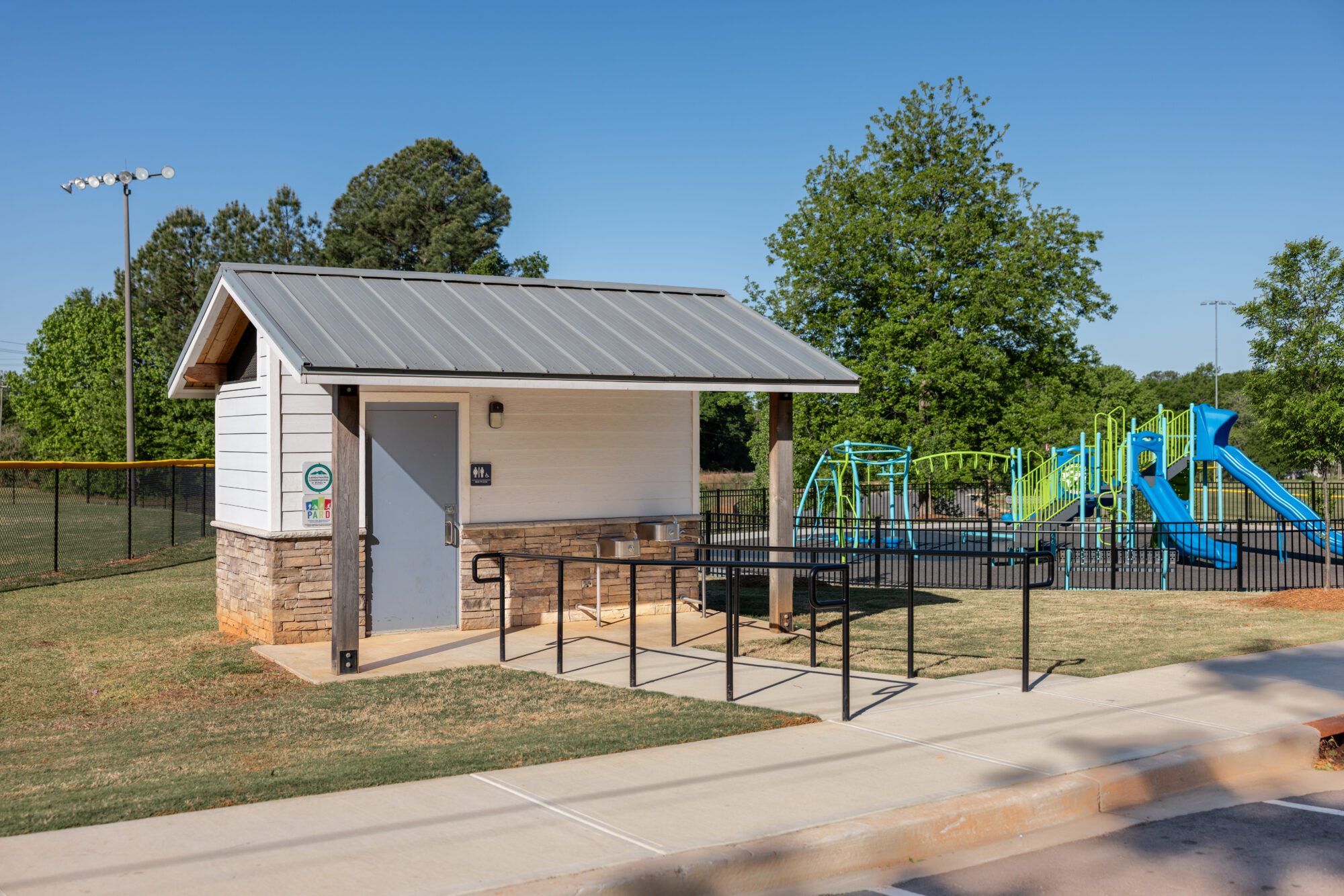
Image credit: romtec.com
Then engineering begins. The layout is impacted by a required change. This alteration affects a part specification that affects the procurement. In the future, the contractor will find that the assumption made in design does not match what was provided.
The above issues do not mean that someone made a big mistake. They demonstrate how difficult coordination can be when responsibilities are fragmented between multiple groups.
A top park design candidate needs to be evaluated by more than just their creativity. Understanding accessibility standards, codes, components, engineering, documentation, and the construction reality can assist in connecting design decisions to the final product.
Examine the proposal to determine what it includes
Two ideas for supposedly identical buildings could have different areas of focus.
It could include the building package. Another option is to provide assistance with initial design renderings, drawings, sketches or plans that are engineered.
If you just compare the lowest cost, without understanding why they are different, it may be inaccurate.
Romtec will give you estimates and preliminary designs for free, as well as drawings, specifications and renderings for the bid package. After approval of the design, the process then moves on to complete submittals.
That provides designers and owners with teams a clearer path for taking an idea from a sketch to the construction phase of a structure.
Custom Requirements Must Be Identified Early
Rarely do public projects exist in the same way and under the same conditions.
A community might want fixtures and materials which are sustainable. A specific architectural theme may be desired by a different community. Landscape architects may need customized siding with unusual colors or roof shapes that visually link the restroom with other park buildings.
These decisions affect more than just the appearance. They may affect the design, documentation, and components.
When addressing specific requirements early it gives the team an possibility to add them instead of having to make retrofits after significant decisions have been made.
Construction knowledge alters the conversation about design
The best park restroom builder for a particular project should understand that a drawing eventually has to become a physical structure.
Romtec manufactures, provides, constructs and designs structures for public use. It offers building packages to be integrated into larger construction projects or even turnkey installation.
That design-to-construction experience creates a practical perspective: decisions made at a desk eventually have consequences on a jobsite.
Be sure to examine the entire trip and not just the destination.
It’s impossible to gauge how much coordination went into a bathroom before it was even opened.
The owners of the park see the building. Visitors can see the building. Teams from the project are involved in every decision that leads to the construction process, including estimates, design, documentation as well as engineering and approvals.
This is why picking a partner with whom to build an area of park shouldn’t conclude with “Do we enjoy the structure?”
A more useful question is:
Does this company have the ability to assist us in bringing the building that we envision to the ground?