For one customer, the appeal of the wig’s color is offset by a cap that feels uncomfortable after several hours. For another wearer, the appeal of the natural-looking hairline comes with a drawback: twenty minutes spent adjusting lace each morning is more than they want. The style looks wonderful, but a different buyer finds the density heavier than expected once it is worn.
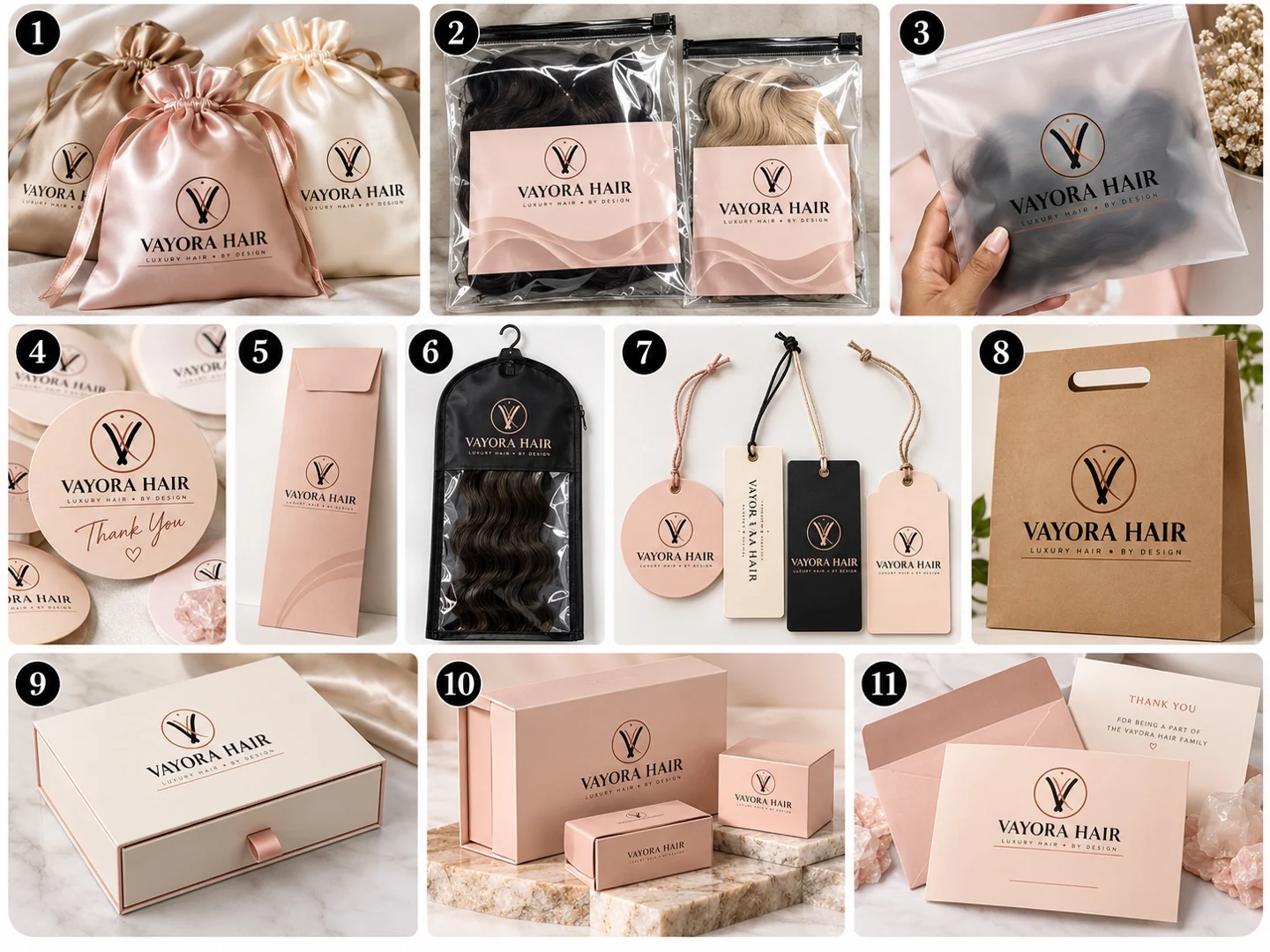
Image credit: vayorahair.com
To a wig business, these remarks represent more than isolated customer reactions. Such feedback can guide the development process toward products that deliver a wearing experience people appreciate.
The newest viral hairstyle is not necessarily the basis of a successful wig collection. The foundation is a practical understanding of the wearing experience that buyers are looking for.
Explore the Concerns Behind Customer Feedback
Buyers seldom use technical manufacturing language to explain what they need. They talk about comfort, convenience, appearance, and confidence. A request for an easier morning routine might point toward a glueless construction. Complaints about an unnatural hairline could indicate that lace appearance, knot treatment, density, or parting design needs attention.
When selecting a human hair wig manufacturer China brands should look for the ability to understand ordinary customer concerns and document them as measurable product specifications.
Rather than asking for a 22-inch body-wave wig alone, a buyer can outline the experience intended for wearers, cap fit, lace construction, the look of the hairline, and finished weight. That level of detail gives the development team a clearer target.
How to Differentiate Your Private Label Wig Range
Current trends often become the entire basis for a developing wig brand’s catalog, which can be a misjudgment. Rival retailers may end up offering nearly identical-looking collections.
Working with a private label wig manufacturer China retailers can collaborate with allows brands to develop a more consistent product identity. The identity might be expressed through a lightweight everyday collection, a premium natural-hairline line, or wigs designed for immediate wear intended for customers who prefer minimal preparation. Every choice, from texture, length, and color to density, cap construction, and packaging, should reflect the same promise to customers. Rather than relying solely on temporary price incentives, a recognizable collection offers shoppers another reason to return.
What to Consider in Glueless Wig Construction
The simplicity of the term “glueless” does not capture the structural features that determine the wearing experience. A fit that feels comfortable and secure depends on cap sizing, adjustment features, attachment components, lace preparation, and hairline design.
A glueless wig manufacturer China buyers choose should help clarify these requirements before production begins. A brand serving first-time wig users, for instance, might focus on manageable density, pre-cut lace, and simple adjustment features. Different design customization choices might be necessary in a collection aimed at professional hair stylists. There is no automatic advantage for either approach. Each serves a different customer.
Sampling Protects the Brand’s Reputation
A product photograph cannot tell you everything about a wig. A buyer should assess cap fit and hair movement, check the color against expectations, and examine whether the finished construction matches the approved design. The sample stage creates an opportunity to identify discrepancies ahead of a higher-volume purchase.
When a wholesale human hair wigs supplier needs to produce a style repeatedly, written specifications and quality-control procedures are particularly important. Without clear references, a successful first batch may be difficult to reproduce consistently.
Developing a Scalable Collection With a Clear Direction
VAYORA supports B2B wig brands, retailers, and distributors through product development, private label services, sampling, specification control, and repeat-production workflows. Physical details that affect the look, fit, and feel of a wig are connected to customer expectations through this approach.
Prior to expanding a product range, brands should examine customer feedback, recognize their strongest product opportunities, and set clear approval standards. The next successful collection may not require more styles. What may matter more is reducing compromises in the styles that customers already want.