Even if the office is closed it is important to veterinary offices. Pets can become sick in the middle of the night, and clients can get stressed on weekends, and urgent inquiries seldom occur at a time that is convenient. If those calls aren’t answered, sent to voicemail, or sent to a generic answering service that has no expertise in the field, the result is often disappointment for pet owners, anxiety for the veterinarians who are on call, as well as lost opportunities for the practice.
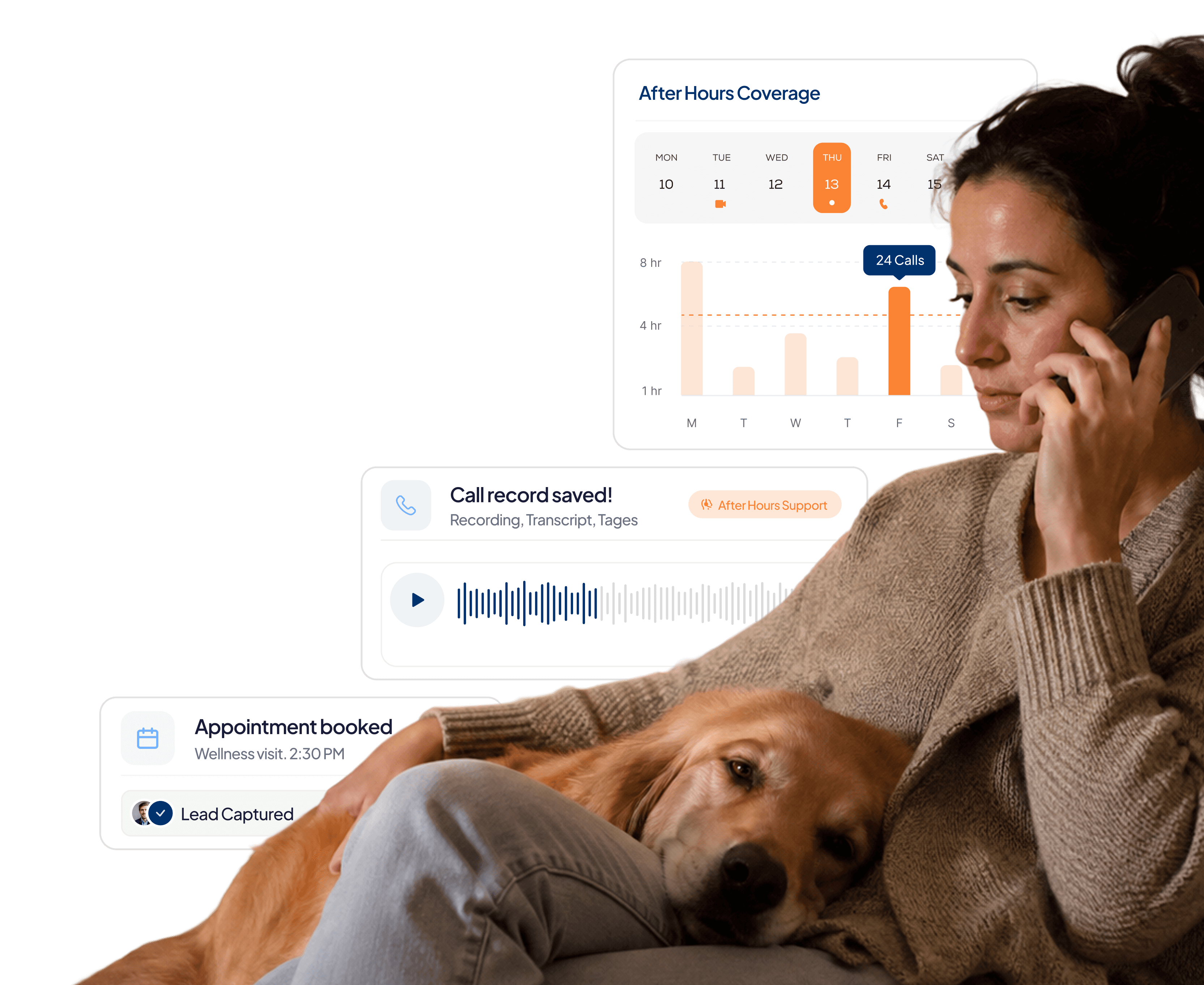
Image credit: guardianvets.com
After-hours communication is a crucial component of the veterinary profession. A solid answering service for vet practices is more than just answering the phone. It safeguards the relationship with pet owners, guides them to the next best step, and eases the burden of internal staff. The availability of after-hours services is no longer a luxury in today’s world of veterinary medicine. It’s an integral part of how a practice ensures continuity of care.
Not all solutions are made for veterinary use
There’s a big difference between an answering service that is geared towards animal hospitals and a generic service. In a hospital setting answering phone calls after hours is not always easy. Clients may be concerned about poison exposure, complications following surgery, or vomiting. There is also the possibility of wondering whether their pet needs immediate emergency care. These situations call for more than just a message. They require judgment, structure and a calm, calming communication from a person who is knowledgeable of the workflow of veterinary medicine and the urgency.
This is the place where GuardianVets sets itself apart. Instead of functioning as a basic call center, GuardianVets operates as a veterinary-focused support partner, staffed with Credentialed Veterinarian Technicians. That distinction matters. A trained technician can assess the nature of the call, follow the clinic’s triage and escalation protocols, help the pet owner understand the level of urgency, and direct them toward the right next step without stepping outside the boundaries of the veterinary-client-patient relationship.
Services for triage in veterinary emergencies will help you make better choices.
One of the biggest benefits of a true veterinary triage service is that it creates clarity in stressful moments. Pet owners don’t always be aware of whether a problem can be delayed until next day, or if they should make a follow-up appointment or require urgent emergency treatment. Without guidance, many default to one of two extremes and either rush to an emergency facility or delay too long to seek care.
This gap can be bridged through triage. Triage provides pet owners with someone to talk to that knows the subject, eases confusion and makes sure that urgent cases are handled appropriately, while issues that are not urgently required are documented and routed in the proper manner. Additionally, it protects veterinarians from being interrupted for instances that don’t require intervention from a doctor after hours. It can assistance in achieving a better work-life-balance, especially at hospitals where the physicians have to carry both the clinical and on-call responsibilities.
It is important that the call center you select matches your requirements, and does not interfere with them.
Modern call centers for veterinary medicine should not be a facility that is disconnected from your practice. It should be an extension of your team. That means knowing your appointment rules, emergency protocols, ways to escalate, and your communication preferences. This also includes integrating your PIMS, so that notes, scheduling results, and call records return to the same software your team uses.
GuardianVets was developed around this idea. Its process consists of assessing the gaps in coverage of calls by mapping how the client’s communication is currently handled, and creating processes that reflect the actual practice instead of squeezing the clinic into a rigid structure. It’s a major change from traditional answering firms, who often just capture messages and send it for the clinic.
More than convenience is improved by a better after-hours coverage
A reliable answering service for after-hours for veterinary practices does more than just reduce the number of missed calls. It maintains trust among clients when stressed, helps keep more patients within the network of the practice, and allows teams to better manage demand after hours. It also enhances revenue by turning weekends or night-time inquiries into scheduled appointments instead of lost opportunities.
This reassures the pet owner that they can seek help in the event of need. This type of assistance is crucial greatly in the field of veterinary medicine since after-hours calls are rarely just logistics. They’re emotional. People worry about their beloved pet and their reaction will influence how they feel about the practice after the situation is resolved.
Hospitals that wish to improve the quality of care for their clients and team wellbeing, GuardianVets offers a model which goes beyond a traditional answering service for veterinary patients. It combines clinical triage, workflow integration, and compassionate communication, it helps practices stay at the service of their clients even when clinic doors are closed.